September 16, 2026
Maintaining clean air ducts can support better indoor air quality and efficient HVAC system performance. Over time, ductwork may collect dust, pollen, pet dander, debris, and other contaminants that can be carried through the home whenever heating or cooling equipment operates. Excessive buildup may also interfere with airflow, making the HVAC system work harder to maintain comfortable temperatures. Understanding how duct systems function and recognizing signs that maintenance may be necessary can help homeowners make informed decisions about their indoor environment. Routine inspections, filter replacement, HVAC maintenance, and professional air duct cleaning services can all contribute to keeping the system in better condition. Homeowners do not necessarily need to understand every mechanical detail, but knowing the basic components, common problems, and cleaning options makes it easier to communicate with technicians and respond to potential concerns before they become more complicated.
Understanding the Main Components of Air Duct Systems
An air duct system consists of several components that work together to distribute conditioned air throughout a building. Supply ducts carry heated or cooled air from the HVAC equipment into individual rooms, while return ducts pull indoor air back toward the system for filtering and recirculation. Registers, grilles, diffusers, filters, and plenums also contribute to controlling airflow and distributing air evenly.
When these components remain clean and unobstructed, air can move through the system more efficiently. Dust accumulation, damaged duct sections, disconnected joints, or blocked vents may interfere with airflow and contribute to uneven temperatures. Understanding where these components are located can also help homeowners notice visible signs of trouble during routine cleaning or HVAC maintenance.
Recognizing How Ductwork Influences Indoor Air Quality
Air ducts continuously transport air throughout the home, which means contaminants within the system may also circulate through occupied spaces. Dust, pollen, pet hair, construction debris, and other particles can settle inside ducts over time. Moisture problems may create additional concerns if damp areas allow microbial growth to develop.
People with allergies or respiratory sensitivities may pay particular attention to indoor air conditions, although many different factors can affect air quality. Ventilation, humidity, filtration, household cleaning habits, pets, and outdoor pollution all play roles. Air duct cleaning services may be one part of a broader indoor air quality strategy when significant contamination or buildup is present. Regularly replacing HVAC filters and controlling indoor moisture can also help reduce pollutants within the system.
Identifying Common Air Duct Problems
Several problems can affect ductwork besides ordinary dust accumulation. Leaks are common concerns because conditioned air may escape into attics, crawl spaces, or wall cavities instead of reaching the intended rooms. This can contribute to inconsistent temperatures and unnecessary HVAC operation. Loose connections, crushed flexible ducts, damaged insulation, or poor installation may produce similar effects.
Blockages can also reduce airflow, particularly when substantial debris enters the system during construction or renovation. Moisture deserves immediate attention because persistent dampness can encourage mold growth and damage nearby materials. Cleaning alone may not solve these situations. The underlying moisture source should also be identified and corrected to prevent the problem from returning.
Knowing When Cleaning May Be Appropriate
Homeowners should look for visible or persistent signs that indicate the duct system needs closer inspection. Heavy dust around registers, debris visible inside accessible duct sections, unexplained odors when the HVAC equipment starts, or contamination following a major remodeling project may justify further evaluation. Evidence of pests entering the ductwork can also require specialized attention.
Unusually weak airflow should not automatically be blamed on dirty ducts because several mechanical problems can produce the same symptom. A clogged filter, failing blower, damaged duct, closed damper, or improperly sized system may also be responsible. A qualified technician can help determine whether air duct cleaning services are appropriate or whether another repair would address the problem more effectively.
Supporting HVAC Efficiency Through Proper Maintenance
Clean, properly sealed ductwork allows conditioned air to move more freely throughout the home. When airflow is restricted, heating and cooling equipment may operate for longer periods to reach the thermostat setting. This can increase energy use and place additional stress on system components. Regular HVAC maintenance helps identify these problems and supports consistent performance.
According to Today’s Homeowner, duct cleaning may improve efficiency by as much as 40% in situations involving extreme dirt buildup. Results will naturally vary depending on the condition and design of the system. For most households, duct cleaning should therefore be viewed alongside filter changes, equipment inspections, duct sealing, thermostat management, and other maintenance practices rather than as a stand-alone solution.
Reducing Dust, Allergens, and Irritants
Dust and household allergens naturally settle throughout indoor spaces, including inside HVAC components and ductwork. When accumulation becomes excessive, some of these particles may be disturbed as air moves through the system. Removing substantial buildup can therefore help reduce one potential source of airborne material.
Professional air duct cleaning services can use specialized equipment to remove contaminants that household vacuums cannot easily reach. However, homeowners can also reduce dust by using appropriate HVAC filters, vacuuming regularly, controlling pet hair, cleaning registers, and limiting excess moisture. Combining preventive measures with professional evaluation when needed can create a more comprehensive approach to indoor air quality.
Addressing Persistent Household Odors
Unpleasant smells sometimes appear to come from vents, especially when heating or cooling equipment begins operating. Odors can originate from dust, moisture, pests, nearby building materials, dirty HVAC components, or contaminants trapped within the duct system. Cooking odors and tobacco smoke may also linger on household surfaces and recirculate through indoor air.
Cleaning may help when the source is actually located inside the ductwork, but identifying the cause is important before scheduling service. Mold-related odors, for example, may indicate a moisture problem that requires repairs in addition to cleaning. Air duct cleaning services should therefore be combined with corrective work whenever another condition is allowing odors or contamination to return.
Comparing DIY and Professional Cleaning
Homeowners can safely perform several basic maintenance tasks themselves. Accessible vent covers can be removed and cleaned, dust can be vacuumed near registers, and filters can be replaced according to manufacturer recommendations. These simple tasks help prevent surface debris from accumulating and allow homeowners to monitor visible portions of the system.
Deep duct cleaning is more difficult because much of the ductwork is inaccessible without specialized equipment. Improper techniques may push debris farther into the system, damage flexible ducts, disturb insulation, or fail to remove contamination completely. For extensive buildup, mold concerns, pest contamination, or inaccessible areas, professional air duct cleaning services are generally better equipped to perform thorough work.
Understanding the Professional Cleaning Process
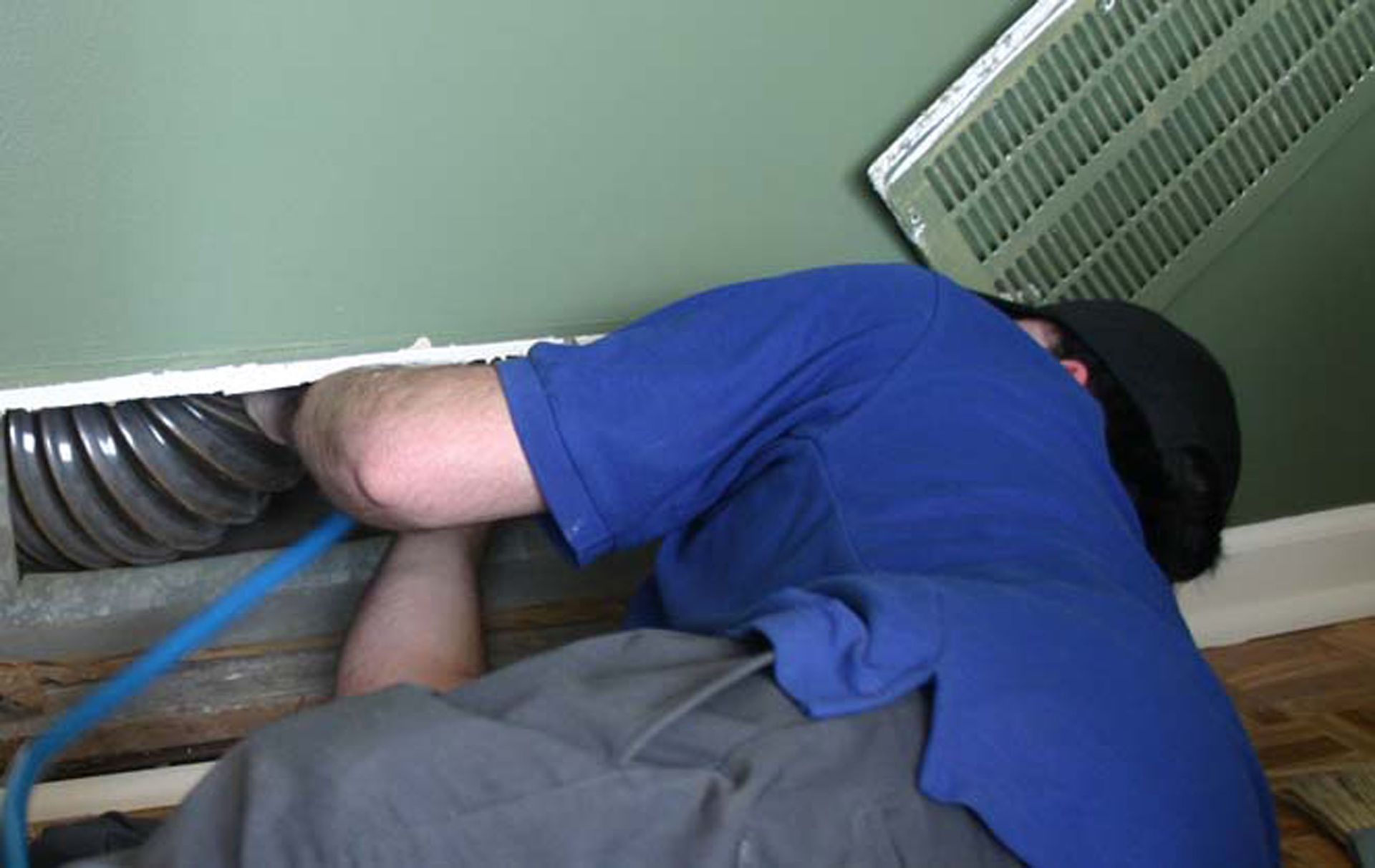
A professional service typically begins by examining accessible ductwork, registers, return vents, and HVAC components. Technicians may use cameras or other inspection tools to assess internal conditions before determining which areas require attention. Protective measures may then be taken to prevent loosened debris from entering occupied spaces during the cleaning process.
Depending on the system, contractors may use negative-air machines, specialized vacuums, rotating brushes, compressed-air tools, or agitation devices to loosen and capture contaminants. Reliable air duct cleaning services should explain what areas are included, what equipment will be used, and whether additional HVAC components require cleaning. Homeowners should also ask how technicians will protect duct materials and surrounding furnishings.
Clean ductwork alone cannot address every indoor air quality or HVAC efficiency concern, but properly maintained ducts can contribute to a cleaner and more comfortable home. By understanding how the system works, recognizing warning signs, and choosing qualified professionals when deeper cleaning is needed, homeowners can protect HVAC performance while supporting healthier indoor conditions. A balanced approach that combines routine maintenance, timely repairs, proper filtration, and careful inspection provides the strongest foundation for long-term system reliability. Contact our team at A.M.P Facility Services, LLC today and learn more about our air duct cleaning services.